What you pack for Seville depends above all on the season: the average daily high goes from 16 °C in January to 36 °C in July, according to AEMET, the Spanish Met Office. Whatever the month, bring comfortable shoes for the cobblestones; pack layers from October to May and very light clothes plus sun protection from June to September. If you are staying in a hostel, add a padlock, a towel, flip-flops and earplugs. And if you fly with hand luggage only, liquids must go in containers of 100 ml or less.
At New Samay Hostel we have been welcoming travellers since 2007, and we have seen every kind of suitcase come through the door. This guide covers what you really need, month by month and depending on your plans (Holy Week, the April Fair, summer or visiting churches), with checklists you can print or save on your phone.
What to pack for Seville: the essentials
If you only have a minute, this is the basic kit that works all year round:
- Comfortable trainers or shoes you have already worn in: the old town is best explored on foot and many streets are cobbled.
- Layers: T-shirt, sweatshirt or light jumper and a light jacket (in summer, just the first).
- Long trousers or a knee-length skirt for visiting churches.
- Sunglasses and sunscreen, in spring and autumn too.
- A reusable water bottle: Seville's tap water is safe to drink.
- A folding umbrella from October to April.
- A plug adapter if you come from outside continental Europe (Spain uses type C and F, 230 V).
- For the hostel: padlock, microfibre towel, shower flip-flops and earplugs.
Seville's weather by season
Seville has very hot, dry summers and mild winters, with most of the rain falling between October and April. These are the averages for the Sevilla Aeropuerto weather station published by AEMET (1981-2010 climate normals): average high and low, and days with at least 1 mm of rain.
| Month | Avg. high | Avg. low | Rain | Rainy days |
|---|---|---|---|---|
| January | 16.0 °C | 5.7 °C | 66 mm | 6.1 |
| February | 18.1 °C | 7.0 °C | 50 mm | 5.8 |
| March | 21.9 °C | 9.2 °C | 36 mm | 4.3 |
| April | 23.4 °C | 11.1 °C | 54 mm | 6.1 |
| May | 27.2 °C | 14.2 °C | 30 mm | 3.7 |
| June | 32.2 °C | 18.0 °C | 10 mm | 1.3 |
| July | 36.0 °C | 20.3 °C | 2 mm | 0.2 |
| August | 35.5 °C | 20.4 °C | 5 mm | 0.5 |
| September | 31.7 °C | 18.2 °C | 27 mm | 2.4 |
| October | 26.0 °C | 14.4 °C | 68 mm | 6.1 |
| November | 20.2 °C | 10.0 °C | 91 mm | 6.4 |
| December | 16.6 °C | 7.3 °C | 99 mm | 7.5 |
Over the year, AEMET gives Sevilla Aeropuerto an average of 539 mm of rain spread over about 50 days. These are averages: in summer some days go well above 40 °C and in winter some nights are colder than the table suggests. Before you close your suitcase, check the AEMET forecast for your exact dates.
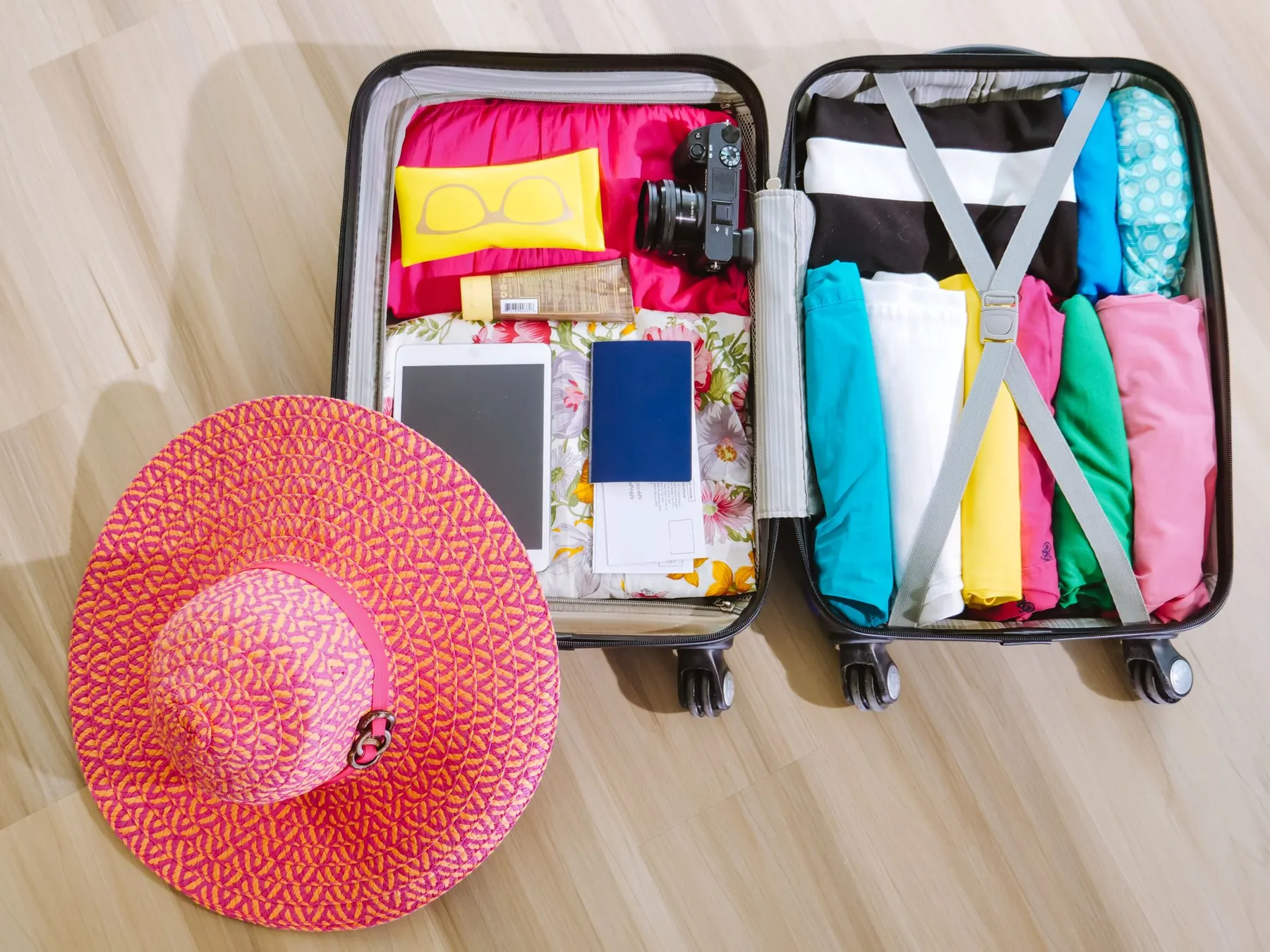
What to pack for Seville by season
Winter (December to February)
From December to February highs are around 16-18 °C and lows around 6-7 °C. You won't need snow gear, but you will want something warm for the evening and something for the rain: December is the wettest month (99 mm and 7.5 rainy days on average).
- A mid-season coat or jacket (no need for a mountain down jacket)
- A jumper or fleece for the evening
- A scarf, if you feel the cold
- A folding umbrella or rain jacket
- Closed shoes that keep water out: wet cobblestones are slippery
- Warm socks and long-sleeved pyjamas
Spring (March to May)
This is the most pleasant season and also the busiest. In March the average high is 21.9 °C and in May already 27.2 °C, but lows drop to 9-14 °C, so mornings and late nights are cool. April has about 6 rainy days on average, right when Holy Week and the Fair usually fall.
- T-shirts and one or two long-sleeved shirts
- A sweatshirt or light jumper and a light jacket
- A folding umbrella (in March and April)
- Sunglasses, a cap and sunscreen: by May the sun is strong
- A smart outfit if you are coming for Holy Week or the Fair
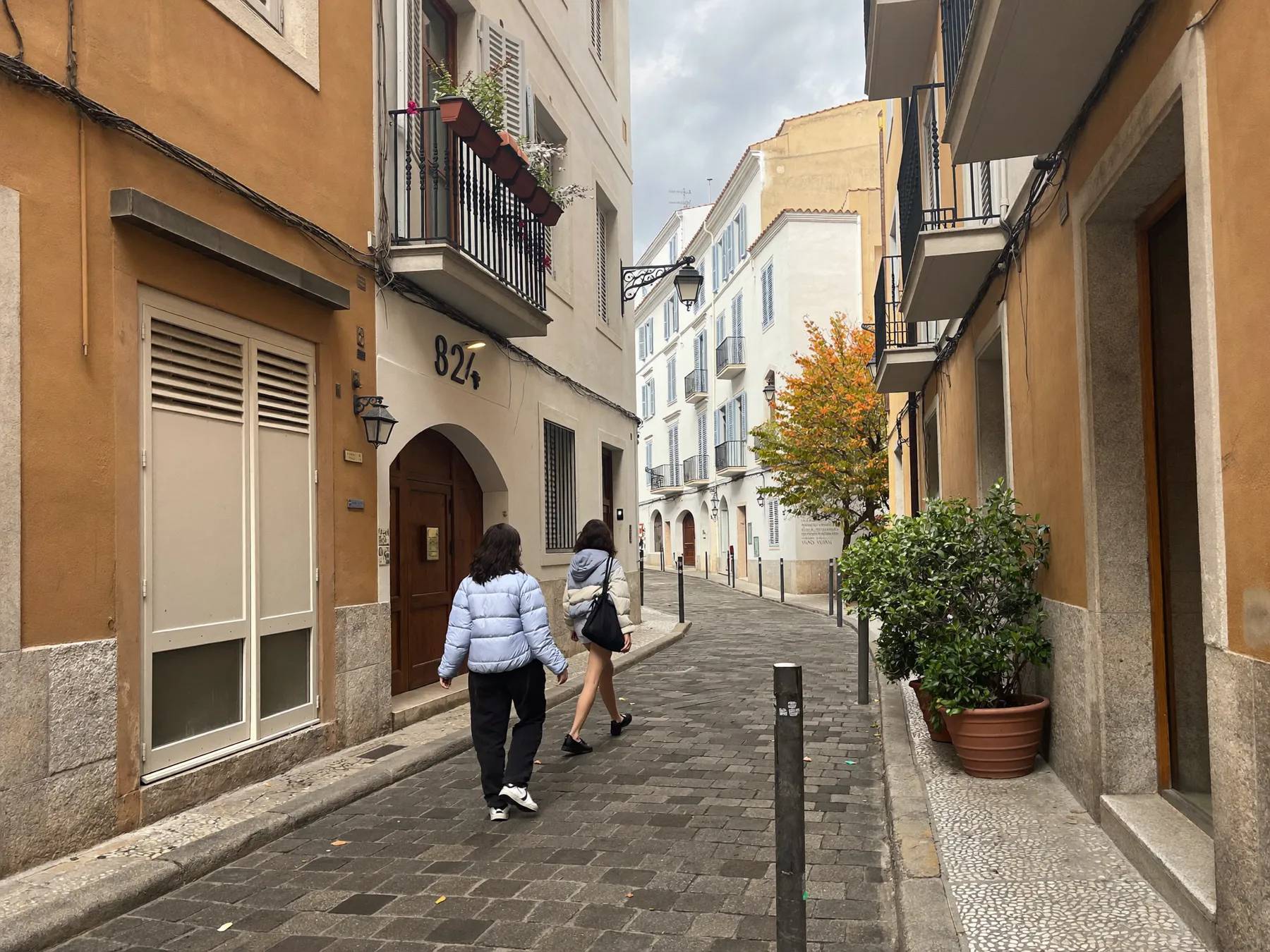
Summer (June to August)
From June to August the average high is between 32 and 36 °C and it hardly ever rains (July: 2 mm). Your priority is protection from the sun:
- Light, breathable clothes in linen or cotton, in light colours
- A cap or a wide-brimmed hat
- High-factor sunscreen and after-sun
- Sunglasses
- Comfortable sandals or breathable trainers for walking
- A reusable water bottle
- A hand fan: in Seville it is not a souvenir, people actually use it
- Swimwear, if you plan to use a pool or take one of our day trips from Seville to the coast
Autumn (September to November)
September is still summer (31.7 °C average high). In October the high drops to 26 °C and the rain comes back: 68 mm in October and 91 mm in November, with about 6 rainy days a month. In November lows are already around 10 °C.
- September: the same bag as in summer, plus a sweatshirt for the evening.
- October: T-shirts, a sweatshirt, a light jacket and an umbrella.
- November: a jumper, a mid-season jacket, waterproof shoes and an umbrella.
How to pack for 40 °C heat
In July and August the average high is already 35-36 °C, and heatwaves push some afternoons above 40 °C. In that heat, clothes matter, but how you plan your day matters even more.
- Fabrics: light, loose linen and cotton in pale colours. Avoid tight polyester and heavy jeans.
- Cover your head: a cap or hat whenever you will be in the sun for more than a few minutes.
- Breathable shoes: sandals with straps or mesh trainers. Beach flip-flops are tiring on cobblestones.
- Water at hand: always go out with a full bottle and refill it whenever you can.
- For monuments: a light scarf or an open shirt lets you cover your shoulders without overheating.
Do as the locals do: monuments first thing in the morning, a rest from 14:00 to 18:00 and a stroll as the sun goes down. Indoor visits are a good plan for the hottest hours, too: have a look at our guide to the best museums in Seville.
What to pack for Holy Week (Semana Santa)
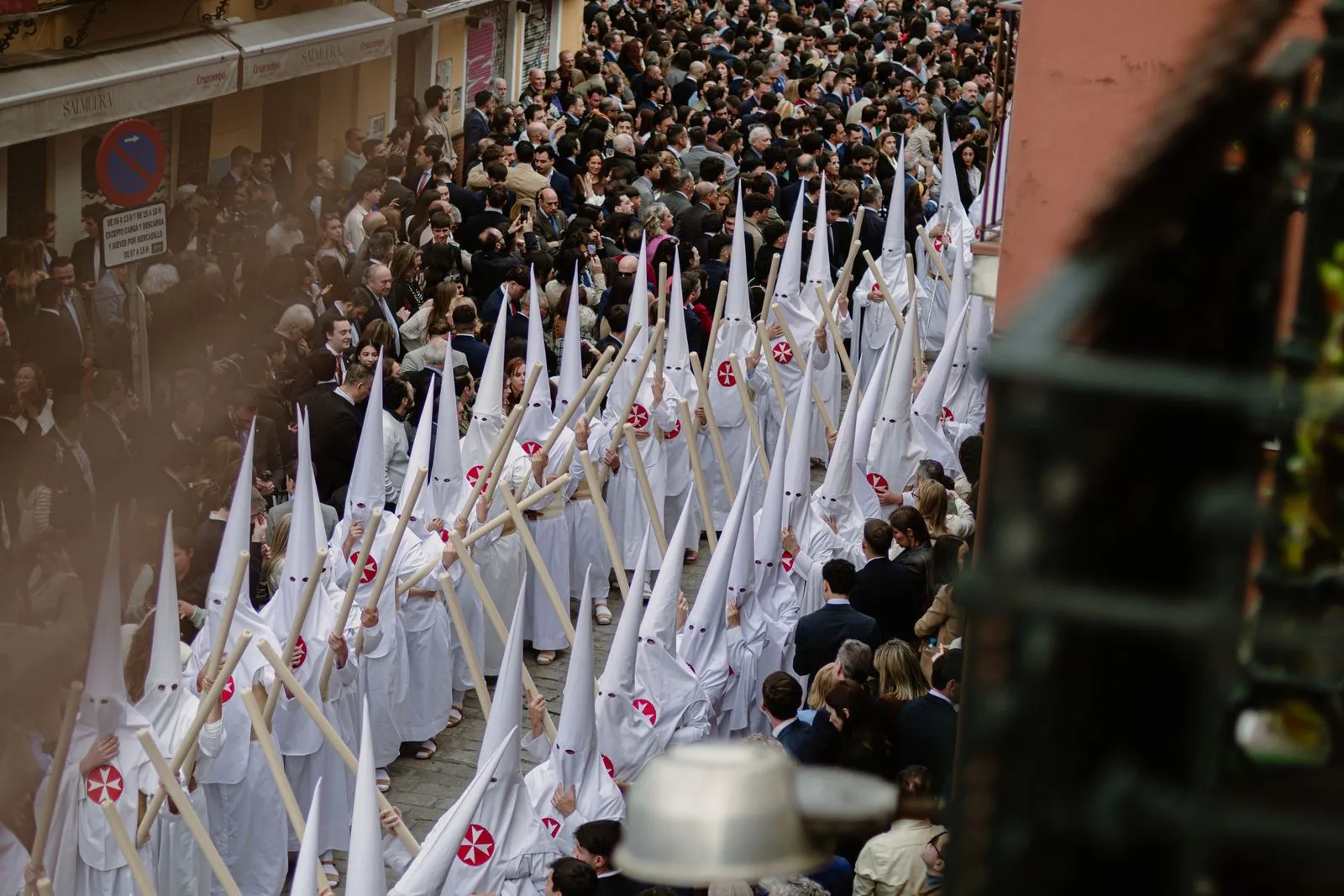
In 2027 Seville's Holy Week runs from Palm Sunday, 21 March, to Easter Sunday, 28 March; the Madrugá is the night from Maundy Thursday to Good Friday (25 to 26 March). In March the average high is 21.9 °C and the average low 9.2 °C, and you will be watching processions on your feet until very late, so the night gets cold.
- Very comfortable shoes: you will spend hours standing and walking through the crowds
- A jacket or jumper for the night, even if the day was warm
- A folding umbrella or rain jacket: if it rains, the brotherhoods may cancel their procession
- A power bank for your phone (and an app or map with the routes)
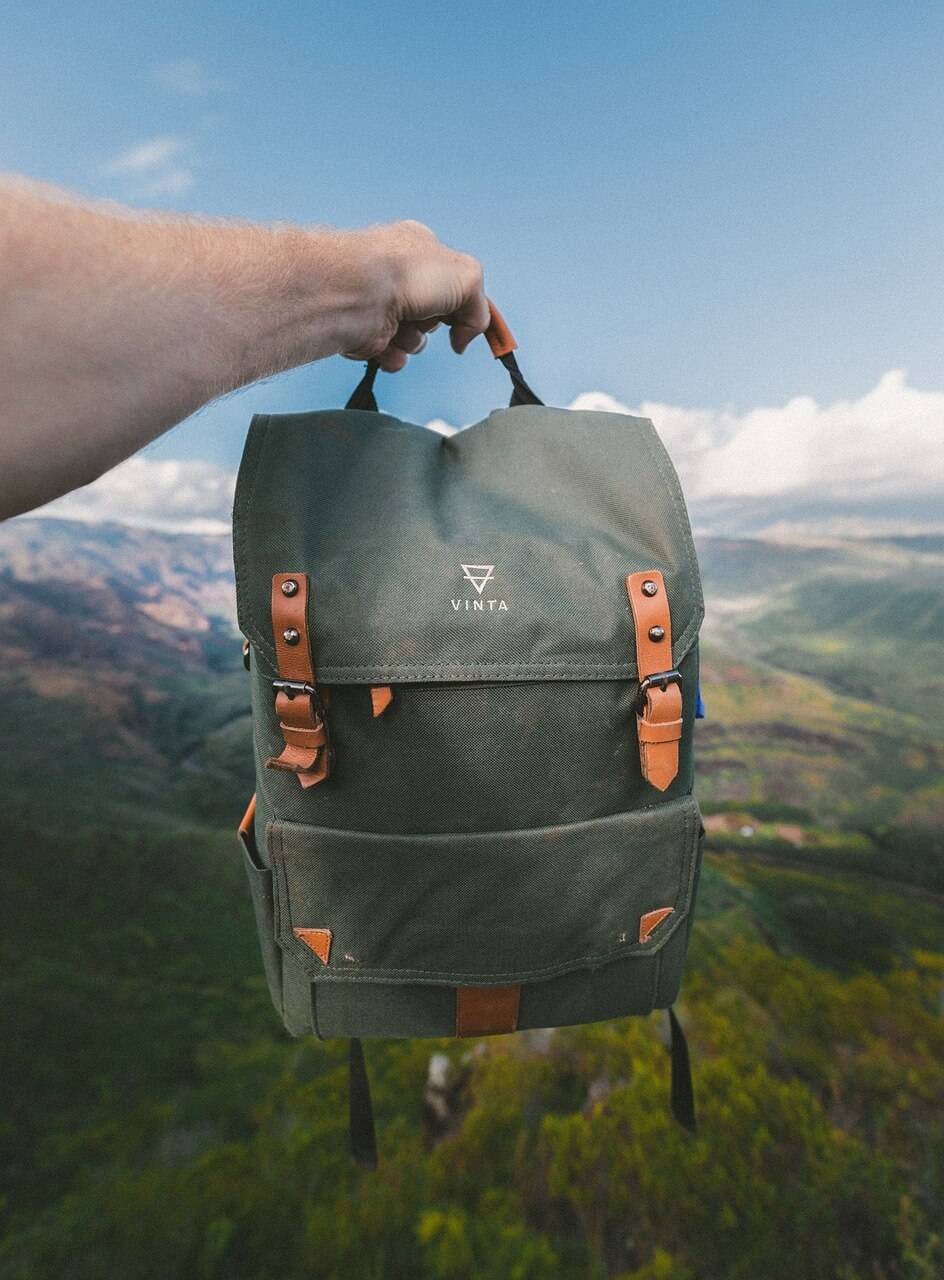
- A small backpack, best worn on your front in the crowds
- Some water and a snack for the long waits
There is no dress code for spectators, but this is a religious celebration: locals tend to dress smartly, especially on Maundy Thursday. You don't need a suit, but avoid beachwear. And a few rules of respect: don't cut through the line of nazarenos, keep quiet when a brotherhood processes in silence and don't use your flash as a float goes by.
What to pack for the April Fair (Feria de Abril)
The 2027 April Fair runs from Tuesday 13 to Sunday 18 April, with the lighting of the fairground at midnight on Monday 12. In April the average high is 23.4 °C and the average low 11.1 °C: it can be hot on the fairground in the afternoon and cool in the early hours.
The flamenca dress: etiquette
Nobody is obliged to wear a flamenca dress: you can go to the Fair in your normal clothes. Dressing up, though, is part of the fun.
- The traje de flamenca (or de gitana) is what most women wear at the Fair. It is a dress for the Fair and for romerías (pilgrimages): it is not worn during Holy Week or around town outside those dates.
- Accessories: a flower in the hair, a decorative comb, big earrings and a fringed shawl (mantoncillo). A flower and a shawl over an ordinary dress already capture the spirit of the Fair.
- Men: a jacket or a good shirt fit in any caseta; many locals wear a suit and tie.
- The traje corto (short jacket, high-waisted trousers and wide-brimmed hat) is horse-riding wear: it is not a costume to wear on foot.
- Shoes: you will be standing for hours on the sandy albero. With a flamenca dress, a mid-heel or wedge shoe is recommended.
And in your bag: a fan, sunglasses, a jacket or shawl for the early hours, cash and a power bank. Entry to the fairground is free, but most casetas (marquees) are private and you need an invitation to go in; there are also public ones open to everyone.
What to wear to visit the Cathedral and churches
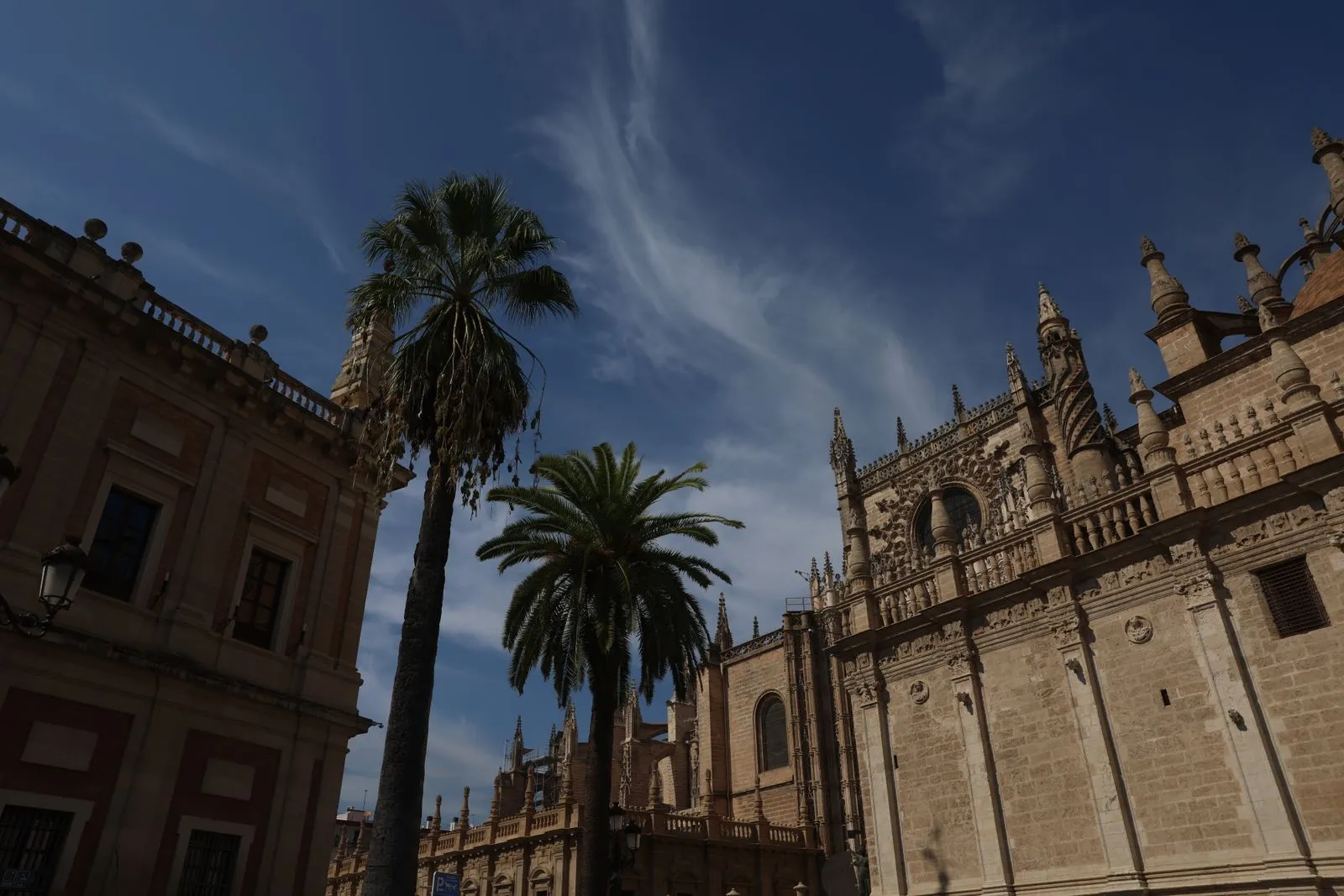
The visitor rules of Seville Cathedral ask visitors to "dress with decorum", remove their hats on entering and keep silent. Eating and drinking are not allowed inside, except water, and photos are allowed without flash or tripod. The rules don't spell out what counts as decorous, so here is the advice we usually give at reception:
- Shoulders covered: carry a scarf or a light shirt in your bag if you are wearing a vest top.
- Trousers or a skirt that are not beachwear; ideally knee-length.
- Take off your cap or hat when you go in.
The same goes for the city's other churches, which are active places of worship. The Cathedral and the Giralda are in our list of the top 10 must-see places in Seville, with opening hours and prices.
What to pack if you are staying in a hostel
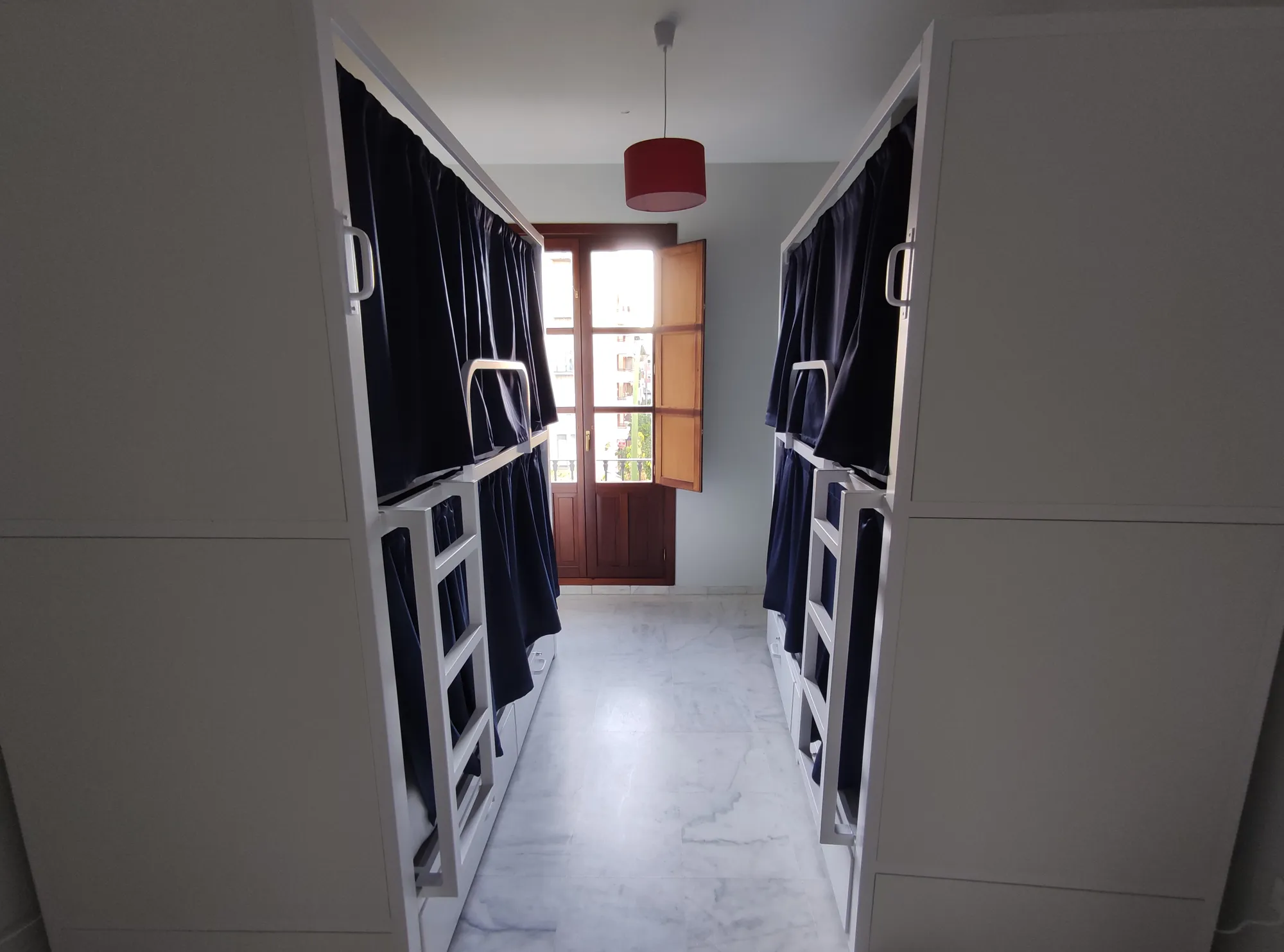
Sleeping in a shared room is a great way to meet people, and with a few things in your backpack you will sleep as well as at home. This is what we recommend to our guests:
- Padlock: our shared rooms have a personal locker for every bed. A small key or combination padlock lets you keep your passport, laptop and wallet locked away.
- Towel: ideally microfibre, which is light and dries fast. Before you arrive, check your booking conditions or ask us what your room includes.
- Shower flip-flops: every room has its own bathroom, but in a shared room you will share it with your roommates.
- Earplugs and an eye mask: in a dorm there is always someone getting up early for a train or coming back late from tapas.
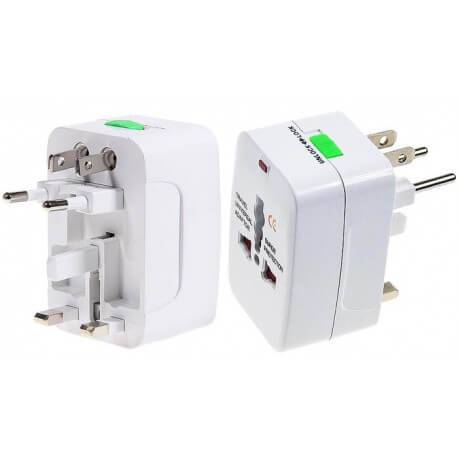
- Type C/F adapter, 230 V: and if you travel with several devices, a USB charger with multiple ports.
- A wash bag with a handle: to take your things to the bathroom without leaving them on the floor.
If you prefer more privacy or are travelling as a couple, we also have private rooms, all with a bathroom and air conditioning.
Gadgets and plugs
Spain uses type C and F plugs at 230 V and 50 Hz. If you come from elsewhere in continental Europe you won't need an adapter; from the UK, Ireland, the Americas or much of Asia, you usually will. Also check that your chargers accept 230 V (almost all phone and laptop chargers take 100-240 V; American hairdryers and straighteners don't always).
- Phone and charger
- Power bank (between maps and photos, your battery drains fast)
- Universal or type C/F adapter
- Headphones
- E-reader
- Luggage scale, if you fly low cost
Hand luggage: the liquids rule
If you travel with hand luggage only, pack your toiletries according to the European security rules that Aena applies at Spanish airports, as of October 2026:
- Liquids, creams, gels, toothpaste and similar items in containers of 100 ml maximum each.
- All of them in one transparent, resealable plastic bag of up to 1 litre (about 20 x 20 cm), fully closed.
- One bag per passenger, children included, placed in a separate tray at security.
- Medicines and special diets you need during the journey are exempt: show them separately and carry the prescription or proof.
- Anything you buy in airport shops goes in a sealed bag with the receipt; don't open it until your final destination.
- There is no limit on liquids in checked luggage.
Some European airports are installing new-generation scanners that relax these rules, but not all of them do so, nor at every checkpoint. If you are flying to or from Seville, plan for 100 ml unless your airport or airline says otherwise. Once you land, our reception can tell you the easiest way to reach the hostel, or you can contact us before you travel.

Free luggage storage: don't drag your suitcase around
Check-out at New Samay is before 11:00, but many trains, buses and flights leave in the afternoon or evening. So you don't have to drag your suitcase over the cobblestones, our luggage storage is free until 23:00. Leave your bags at reception, enjoy your last day in the Santa Cruz quarter, which starts right outside the hostel, and pick them up before heading to the station.
The same applies if you arrive in the morning, before check-in time (14:00 to 00:00): drop off your backpack and go out to see the city hands-free.
Printable checklist for your trip to Seville
Documents and money
- ID card or passport (the hostel asks for the original on arrival)
- Visa, if your nationality requires one
- Boarding pass or train ticket
- Credit or debit card and some cash
- Travel insurance
- European Health Insurance Card, if you are an EU citizen
- A digital copy of your documents
Remember that online registration before arrival is mandatory at the hostel, with the details required by Spanish law. If you are not an EU citizen, check the Schengen entry requirements, including the Entry/Exit System (EES) and the ETIAS travel authorisation, on the European Commission's official website.
Clothes and accessories
- Underwear and socks
- T-shirts
- Long trousers (at least one pair, even in summer)
- Shorts (May to September)
- Sweatshirt or jumper
- Light or mid-season jacket (October to May)
- One or two outfits for going out
- Pyjamas
- Comfortable, worn-in trainers
- Flip-flops
- Cap or hat and sunglasses
- Swimwear
Toiletries
- Microfibre towel
- Toothbrush and toothpaste
- Shampoo and shower gel (in 100 ml containers if you fly hand luggage only)
- Deodorant
- Sunscreen and after-sun
- Razor
- Mosquito repellent, from May to October
First aid and safety
- Your usual medication, with the prescription
- Painkillers
- Plasters and something for blisters
- Padlock for the locker
- Emergency contacts (in Spain, 112)
Common packing mistakes for Seville
- Bringing brand-new shoes: mistake number one. Between the Cathedral, the Alcázar and Plaza de España you will walk a lot of kilometres.
- Thinking you don't need a coat in winter: days are pleasant, but at 6 °C in the early hours you will be glad of it.
- Coming in July without a cap: the 15:00 sun is relentless.
- Packing everything "just in case": you can find anything in Seville, and extra weight is expensive on a low-cost airline.
Your base in Seville
At New Samay Hostel, on Avenida de Menéndez Pelayo next to the Murillo Gardens, we have a 24-hour reception, free luggage storage until 23:00, a fully equipped kitchen and a rooftop terrace, with private and shared rooms that all have a bathroom and air conditioning. From here, the Cathedral and the Real Alcázar are about a 10-minute walk away. To find out who we are, read our story. We hope you enjoy your adventure, and if it's in Seville, we hope to enjoy it together.
Frequently asked questions
What should I wear in Seville in summer?
Light, breathable clothes (linen or cotton) in light colours, a cap, sunglasses and sunscreen. In July the average high is 36 °C according to AEMET and some days go above 40 °C. Pack long trousers or a knee-length skirt for churches too.
Is Seville cold in winter?
Not much during the day, a bit at night: in January the average high is 16 °C and the average low 5.7 °C (AEMET, Sevilla Aeropuerto). A mid-season coat, a jumper and an umbrella are enough.
What is the rainiest month in Seville?
December, with 99 mm and 7.5 rainy days on average, followed by November (91 mm). In July and August it hardly ever rains.
Is there a dress code for Seville Cathedral?
Its rules ask visitors to dress with decorum, remove hats on entering and keep silent. Our advice: cover your shoulders and avoid beachwear. The Cathedral is in our top 10 places to visit in Seville.
Do I have to wear a flamenca dress to the April Fair?
No. You can go in your normal clothes, although dressing up is part of the fun. A flower in your hair and a fringed shawl are enough to join in the atmosphere.
How much liquid can I take in my hand luggage?
Under the rules applied by Aena, containers of 100 ml maximum inside a single transparent, resealable bag of up to 1 litre per passenger. Medicines you need during the journey are exempt.
Do I need a padlock and an adapter at the hostel?
A padlock is a good idea: our shared rooms have a personal locker for every bed. The adapter depends on your country: Spain uses type C and F plugs at 230 V. And if you leave late, luggage storage is free until 23:00.
Sources
- AEMET (Spanish Met Office) – Climate normals, Sevilla Aeropuerto (1981-2010)
- Seville Cathedral – Visitor rules
- Aena – What you can carry in hand luggage (liquids)
- EMASESA – Seville metropolitan water company
- Hosteltur – Plug types in Spain (C and F, 230 V, 50 Hz)
- European Commission – EES / ETIAS (entry requirements for non-EU travellers)
Facts checked in October 2026. Opening times and prices may change: confirm them on the official website before you go.